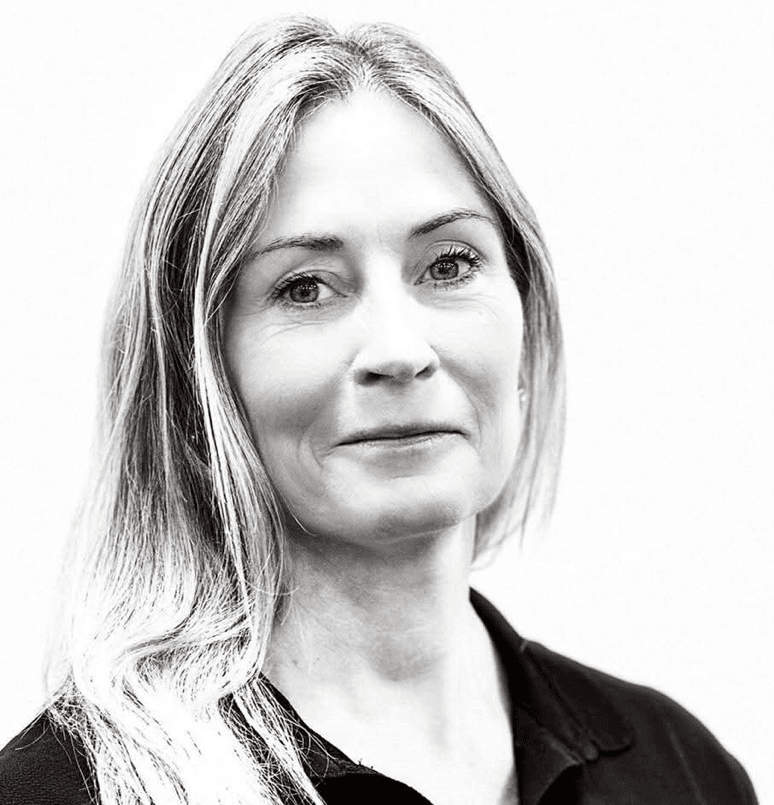
– It is about strengthening the healthy parts of the client, says trauma therapist Marta Thorsheim in this interview. Marta Thorsheim is interviewed by Eva Svendsen, Senior Advisor at the National Competence Centre for Mental Health.
Marta Thorsheim runs a private practice at her own institute and is a trained IoPT trauma therapist, as well as a gestalt and psychosynthesis therapist. She holds a master's degree in change management. She runs her own IoPT therapy practice, trains trauma therapists in Norway, and also holds courses in many countries.
-What is identity-oriented psychotraumatherapy (IoPT) about?
-This approach is based on insights from recent trauma research and attachment theory. It focuses on strengthening the healthy parts of the client. We work individually in groups with a client's topic or one-on-one with a therapist. By becoming aware of how our experiences affect us and how our defense and coping strategies develop to help us handle life's challenges, our healthy parts grow stronger.
Difficult life experiences such as violations, bullying, abuse, insecurity, and neglect in early childhood, whether personal or inherited from previous generations, leave traces and often lie behind pain and illness in adulthood. By exploring our intention, the root cause of the problems will emerge, making it clear whether trauma is the underlying factor. We then use the method to process the trauma so that it can let go and open up new paths and insights in life.
-How does this form of therapy differ from other public treatment methods for trauma disorders?
-I am not aware of any public services that use the client's stated intention as a starting point for their work. Research and experience show that unresolved trauma is passed down through generations, meaning our challenges may stem from traumatic events experienced by our parents, grandparents, and great-grandparents. Similarly, our children's struggles can also be rooted in events further back in our family history. IoPT takes this seriously. Working with an intention provides a safe and supportive framework for the process, with the trauma therapist guiding the client along the way. Trauma survival strategies can loosen their grip: healthy mental structures get more room, and energy stored in traumatized parts can come to the surface.
- Is research being conducted on this type of treatment approach?
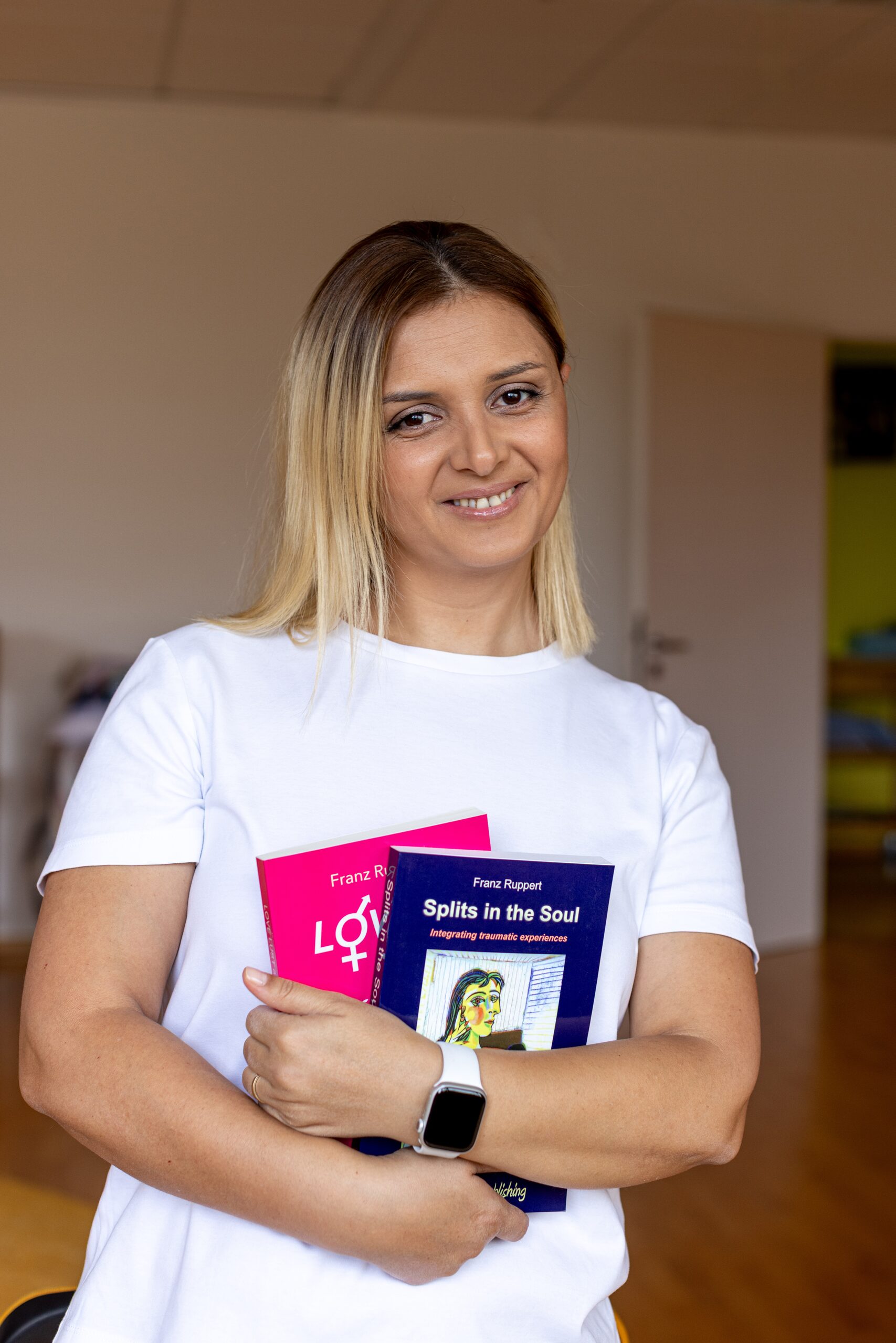
-IoPT is an evolving therapy and theory. Both the founder, Prof. Dr. Franz Ruppert, and hundreds of therapists in many countries practice IoPT daily, though formal research is not currently being conducted. The therapy is documented in six textbooks, three of which have been translated into Norwegian. The latest book, My body, my trauma and my self: How to untangle from trauma, was released in Norwegian in the spring of 2018. All the books have been translated into many languages.
- What does a therapy session look like?
-At the beginning of a session, a person who wants to work therapeutically with themselves considers the following: What do I want to achieve with this therapy? What is my goal? What do I want to look closer at? What is my next step in therapy? These are four questions the client is invited to reflect on, preferably before coming to therapy. What they arrive at is what we call an intention statement. It can be any sentence expressing a need that the patient wants to examine more closely. For example: I want to process a trauma, I want to be myself, what was my birth like? Why do I have migraines? I want to sleep well. I want a better relationship with my children. Once the intention is clear, the client writes it on a flipchart. They may want to change it after a bit more reflection until they feel satisfied and know: yes, this is how it should be, this is what I want to work with in my constellation today. The intention, now visible to everyone, serves as the framework for today's constellation. The clients choose group participants to represent or resonate with the individual words in the sentence. The representatives and the client follow the impulses arising from this resonance and express what comes to them both physically and in words. In individual therapy with a therapist and client, the therapist represents the various words. To help the client integrate the process, the session ends with a conversation between the therapist and client. The constellation itself can last between 1 to 1.5 hours, and the overall therapy process continues for as long as the client feels is natural.
- Can it stand alone, or is it best used alongside other forms of treatment?
-Trauma therapy works well as a standalone treatment form. It does not need to be combined with other treatments, but it can be, as long as those treatments support and strengthen the client's resources. If the client cannot take care of themselves, a support system needs to be in place to help them through the time between therapy sessions.
-Who is it for?
-Trauma therapy is suitable for anyone who wants to explore and heal violations and trauma, and who formulates their own intention for the treatment. This can include complex trauma, developmental trauma, childhood or later sexual abuse, abuse within psychiatric or other institutional settings—such as forced treatment with medication or other coercion—accidents, or other violations and trauma. We also see that trauma can repeat across generations, and in such cases, sorting is needed to separate what belongs to me from what belongs to previous generations. Both the theory and method are also suitable for those who do not know what specific trauma they have experienced, but who have symptoms such as PTSD and/or whose defense mechanisms express physical or emotional pain. Violations and trauma affect a person both physically and mentally, and healing happens for the whole person.
-Who is this not for, and why?
-Trauma therapy is not suitable as a form of forced treatment, nor should it be combined with heavy medication. The client must have access to their feelings and bodily sensations. IoPT requires the client to be in touch with reality and motivated for treatment.
- Memories are complex processes, and both conscious and unconscious/implicit memories come up during the process. In IoPT, the focus is not on the experience itself, but on what the experience has led to for the client. It is up to the client whether they want to explore what happened, especially if they have no conscious memories of it or only fragmented ones. My experience is that it gives the client a sense of safety to go step by step, getting to know their trauma biography and integrating implicit and fragmented memories. Recognized research supports IoPT and highlights the importance of processing trauma.
-What are the drawbacks of this treatment?
-Currently, no hospitals or institutions offer IoPT treatment as a standard routine. Trauma therapists must be hired or brought in for clients who want this type of treatment, and clients must seek out and pay for the treatment themselves.
-Do you need any prior knowledge or special experience to benefit from this service?
-No prior knowledge or special experience is needed to benefit from the service. Every trauma therapist will explain what the therapy involves, whether it takes place in a group or in a one-on-one setting. Central to the treatment is self-governance and client autonomy, with the client's own intention kept in focus.
-How can I get this treatment?
-There are trauma therapists all over the country, and you can find a list of registered trauma therapists online at: www.traumeterapeutforeningen.no.
Article from erfaringskompetanse.no – National Center for Experiential Competence in Mental Health
(reproduced with permission)