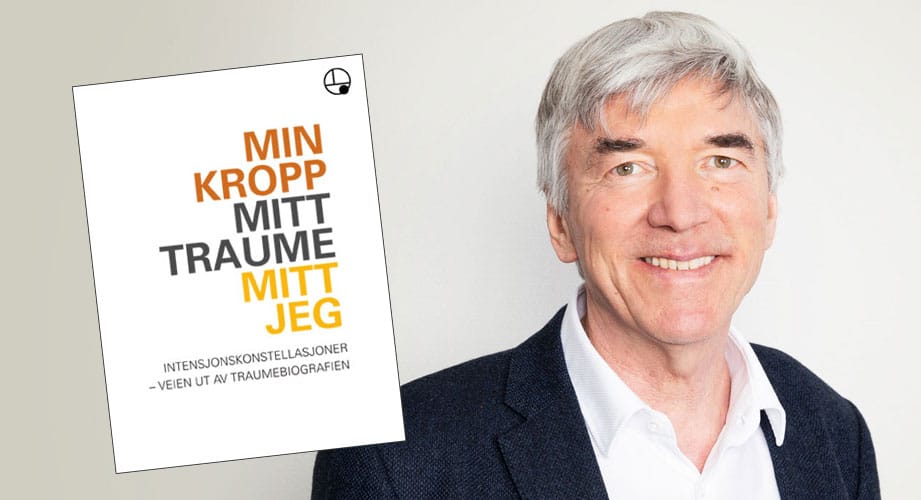
by Franz Ruppert. Excerpt from the book My Body, My Trauma, My Self.
An alternative to conventional medicine that has been on the market for quite some time is psychosomatics, which seeks to understand the connection between the body and the mind (Adler et al. 2017; von Uexküll 1976, Wirsing 1996). Psychosomatic illnesses point to a causal link between physical and psychological conditions and a person's social life circumstances. This leads to the conclusion that treating only the body for many symptoms—such as cardiovascular disease, back pain, or obesity—cannot lead to better health, and that one must therefore also address the underlying psychological and social causes.
In the 1970s, the concept of stress emerged in physiology and psychology later began to use it. The concept states that it is functional for a human body to react with stress in order to briefly mobilize energy to escape an acutely dangerous situation. Once the danger has passed, the body can return to a relaxed state and thereby regenerate. If, however, the stress reaction does not subside because the dangerous situation continues in reality or psychologically, the body loses its necessary relaxation phases. Consequently, the body can suffer long-term damage, especially the organs, vascular system, muscles, and joints. In addition, the immune response remains at such a low level that the risk of contracting an illness increases.
To this day, the stress concept remains one of the most important explanatory models in psychosomatics. Even people without a medical background use it. Excessive stress has become a popular argument when it comes to illness symptoms such as heart attacks, high blood pressure, or abdominal tumors. As a cure-all, rest, relaxation, meditation, and recreation are recommended in such cases. In contrast, experience shows that physical and psychological symptoms occur more frequently, especially during states of rest, and that some people feel they are going crazy when they try to meditate in a psychosomatic clinic, for example. My personal experience with breathing exercises, for instance, is that I either quickly grew tired or entered a state of overstimulation and powerlessness. Underlying this is my experience as an infant, where I was nearly killed during a violent attack by my father. Only after I had processed my trauma did my breathing permanently change for the better.
To this day, psychosomatics is largely based on depth psychology or behavioral theories (Ermann 2007). A standard explanation is that repressed emotions turn into physical illnesses. Suppressed anger, for example, leads to pressure in the abdomen and, in the long term, stomach tumors. The problem is thought to be solved by releasing it and supporting it with therapeutic methods (such as hitting a pillow with a baseball bat).
In my experience, acting out emotions does not lead to the desired cathartic effect. On the contrary, the feeling of helplessness after such an outburst of anger is often stronger than before. Or feelings of guilt towards the people the anger was directed at increase. Why is that? Because these feelings were usually repressed within the relationship with a mother or father whom the person could not leave. And that person remains trapped in the longing for their parents' love or in having to rescue and comfort them. When someone simply acts out their anger, it can actually deepen the inner split, something I have already observed in many constellations. Suppressing feelings can only end
- if you have consciously left a relationship with an abuser
- if you build a loving and appreciative relationship with yourself
- if the pain of being a victim is felt